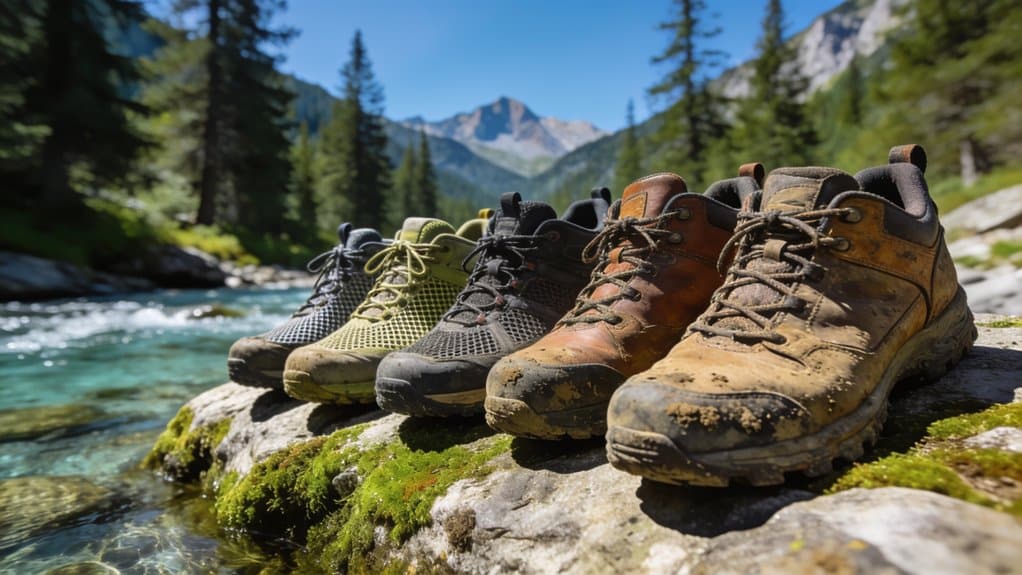
When you’re gearing up for epic backpacking adventures, the last thing you want is to struggle with uncomfortable or unreliable footwear. The right shoes can make or break your experience, and that’s where this guide comes in.
You’ll discover top picks like the Hike Footwear HF Stride Barefoot Slip Ons, which provide natural flexibility, and Columbia’s Fairbanks Mid boots, offering waterproof protection for those tough terrains.
If you’re looking for lightweight performance, Merrell’s All Out Blaze Aero is a standout choice for quick-drying comfort.
Our top overall pick is the Columbia Fairbanks Mid because its combination of sturdy support and waterproof features ensures you stay dry and comfortable on any trail.
Dive into our comparison table to find the best shoes that will elevate your backpacking game.
| Hike Footwear HF Stride Barefoot Slip On Shoes for Women Men Wide Toe Box |  | Effortless Comfort | Footwear Type: Barefoot slip-on shoes | Comfort & Fit: Ultra-flexible sole, wide toe box, lightweight, breathable | Traction & Outsole: Barefoot sole promoting natural movement | VIEW LATEST PRICE | Read Our Analysis |
| Columbia Men’s Fairbanks Mid Hiking Boots | 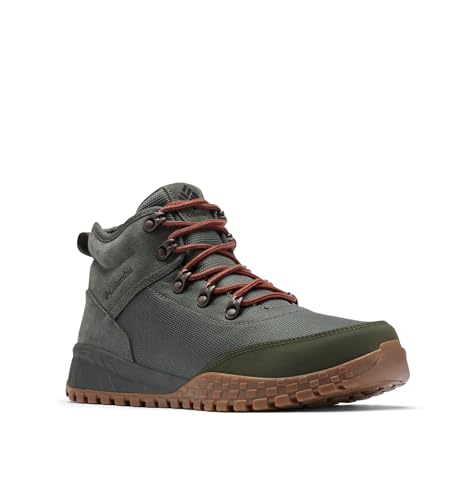 | Weatherproof Versatility | Footwear Type: Mid hiking boots | Comfort & Fit: Comfortable design for ease of movement | Traction & Outsole: Waterproof outsole for all-weather grip | VIEW LATEST PRICE | Read Our Analysis |
| Columbia Men’s Crestwood Hiking Boots |  | Lightweight Durability | Footwear Type: Leather hiking boots | Comfort & Fit: Techlite cushioned midsole, breathable mesh, true-to-size fit | Traction & Outsole: Omni-Grip rubber outsole with non-marking tread | VIEW LATEST PRICE | Read Our Analysis |
| Barefoot Minimalist Hiking Shoes for Men & Women | Natural Movement | Footwear Type: Barefoot minimalist hiking shoes | Comfort & Fit: Spacious toe box, stretchy knit uppers, lightweight | Traction & Outsole: Thin flexible TPR anti-slip rubber sole | VIEW LATEST PRICE | Read Our Analysis | |
| Merrell Men’s All Out Blaze Aero Sport Hiking Water Shoe |  | Trail-Ready Performance | Footwear Type: Hiking water shoes | Comfort & Fit: Omni-Fit lacing, padded collar, foam footbed | Traction & Outsole: Vibram outsole with 5 mm lug depth | VIEW LATEST PRICE | Read Our Analysis |
More Details on Our Top Picks
Hike Footwear HF Stride Barefoot Slip On Shoes for Women Men Wide Toe Box
If you want effortless comfort on the trail, the Hike Footwear HF Stride Barefoot Slip On Shoes are your go-to. Designed for both women and men, these shoes feature a wide toe box and a hands-off entry system, making them incredibly easy to slip on. Their barefoot design encourages natural movement, helping you walk pain-free and maintain healthy posture. The ultra-flexible sole adapts seamlessly to your foot’s mechanics, while lightweight, breathable materials keep your feet comfortable all day long. Whether you’re out for a casual walk or an active hike, these shoes let every step feel light and unrestricted.
- Footwear Type:Barefoot slip-on shoes
- Comfort & Fit:Ultra-flexible sole, wide toe box, lightweight, breathable
- Traction & Outsole:Barefoot sole promoting natural movement
- Breathability:Breathable materials
- Weight/Lightweight:Lightweight design
- Intended Use:Casual wear and active lifestyles
- Additional Feature:Hands-off entry system
- Additional Feature:Wide toe box design
- Additional Feature:Promotes pain-free walking
Columbia Men’s Fairbanks Mid Hiking Boots
Columbia Men’s Fairbanks Mid Hiking Boots offer weatherproof versatility that keeps you comfortable and protected on unpredictable trails. You’ll appreciate their waterproof build that shields your feet from rain and mud, so you can focus on your adventure without worry. Designed for both rugged hikes and casual outings, these boots move with you, providing reliable support and comfort. With multiple colors and sizes, you can find a pair that fits your style perfectly. Backed by Columbia’s reputation for durable outdoor gear, these boots are a smart choice when you want dependable performance in varied environments.
- Footwear Type:Mid hiking boots
- Comfort & Fit:Comfortable design for ease of movement
- Traction & Outsole:Waterproof outsole for all-weather grip
- Breathability:Not specifically mentioned (implied comfort)
- Weight/Lightweight:Moderate weight (not explicitly stated)
- Intended Use:Outdoor activities and casual wear
- Additional Feature:Waterproof construction
- Additional Feature:Versatile style options
- Additional Feature:Reliable brand assurance
Columbia Men’s Crestwood Hiking Boots
Men seeking rugged yet lightweight durability will appreciate the Crestwood Hiking Boots for tackling challenging trails. These boots combine suede leather and breathable mesh, keeping your feet comfortable on long hikes. The Techlite cushioned midsole supports every step, while the Omni-Grip rubber outsole delivers reliable traction across various terrains. You can even wear them indoors thanks to the non-marking sole. Available in multiple colors, they fit true to size and balance style with functionality. Columbia’s commitment to quality and advanced materials means you’re equipped for epic adventures without sacrificing comfort or performance. These boots truly stand up to the challenge.
- Footwear Type:Leather hiking boots
- Comfort & Fit:Techlite cushioned midsole, breathable mesh, true-to-size fit
- Traction & Outsole:Omni-Grip rubber outsole with non-marking tread
- Breathability:Breathable mesh webbing
- Weight/Lightweight:Lightweight leather hikers
- Intended Use:Tough outdoor ventures and hiking
- Additional Feature:Techlite cushioned midsole
- Additional Feature:Suede leather upper
- Additional Feature:Non-marking outsole
Barefoot Minimalist Hiking Shoes for Men & Women
Looking for shoes that let your feet move naturally on every trail? Barefoot Minimalist Hiking Shoes for Men & Women offer just that with their flexible 4-8mm zero-drop soles made of anti-slip TPR rubber. Their stretchy, breathable knit uppers keep your feet comfortable and cool, while the lightweight design promotes natural movement. You’ll appreciate the spacious toe box that allows your toes to splay freely, reducing fatigue during long hikes. These shoes provide excellent grip across varied terrains and are perfect for hiking, walking, or casual wear. If you want a minimalist, versatile shoe that supports all-day comfort, these are a top choice.
- Footwear Type:Barefoot minimalist hiking shoes
- Comfort & Fit:Spacious toe box, stretchy knit uppers, lightweight
- Traction & Outsole:Thin flexible TPR anti-slip rubber sole
- Breathability:Breathable knit uppers
- Weight/Lightweight:Lightweight minimalist design
- Intended Use:Hiking, walking, casual wear
- Additional Feature:Zero-drop sole thickness
- Additional Feature:Anti-slip TPR rubber
- Additional Feature:Stretchy knit uppers
Merrell Men’s All Out Blaze Aero Sport Hiking Water Shoe
If you need trail-ready performance in a lightweight, breathable shoe, the Merrell All Out Blaze Aero Sport fits the bill perfectly. Its mesh upper with synthetic overlays ensures breathability and support, while the bellows tongue keeps debris out. You’ll appreciate the Omni-Fit lacing system for a snug, glove-like fit and the lightly padded collar for comfort. Stability comes from the molded TPU heel counter and UniFly midsole, providing protection without weight. Plus, the Vibram outsole offers durable traction with 5 mm lugs. Treated mesh lining also fights odor, keeping your feet fresh on every adventure.
- Footwear Type:Hiking water shoes
- Comfort & Fit:Omni-Fit lacing, padded collar, foam footbed
- Traction & Outsole:Vibram outsole with 5 mm lug depth
- Breathability:Breathable mesh lining with odor control
- Weight/Lightweight:Lightweight mesh upper and midsole
- Intended Use:Hiking and water activities
- Additional Feature:M Select FRESH odor control
- Additional Feature:Bellows tongue design
- Additional Feature:Molded TPU heel counter
Factors to Consider When Choosing Shoes for Backpacking
When choosing shoes for backpacking, you’ll want to focus on comfort and fit to keep your feet happy on long trails. Pay attention to sole flexibility, weight, breathability, traction, and waterproofing to match your hiking needs. These factors will help you pick shoes that support every step of your journey.
Comfort And Fit
Because your feet endure long hours on rugged trails, choosing shoes that fit comfortably is crucial for a successful backpacking trip. Start by trying shoes on with the same socks you’ll wear on the trail, ensuring the fit matches your actual hiking conditions. Look for a spacious toe box that allows your toes to splay naturally, preventing blisters and discomfort on uneven ground. Opt for shoes with a cushioned midsole to absorb shock and reduce fatigue during long walks. Adjustable lacing systems help you achieve a snug fit, preventing heel slippage and boosting stability. Lastly, pick shoes made from breathable materials to keep your feet dry and comfortable, minimizing moisture buildup and odor. Prioritizing these factors will keep your feet happy and ready for adventure.
Sole Flexibility
Choosing shoes that fit well sets the foundation for a comfortable backpacking experience, but paying attention to sole flexibility can make a significant difference in how your feet perform on the trail. A flexible sole allows your foot to move naturally, supporting a healthier gait and reducing injury risk. When your shoes bend with your foot, you’ll feel better balance and stability, especially on uneven terrain. Ultra-flexible soles adapt to your foot’s mechanics, cutting fatigue during long hikes. On the other hand, overly rigid soles can restrict movement, causing discomfort and foot pain. Plus, the right sole flexibility boosts traction and grip on varied surfaces. When choosing shoes, look for soles that offer just enough give to keep your feet happy every step of the way.
Weight And Breathability
Weight and breathability play crucial roles in your backpacking footwear, directly impacting comfort and performance on the trail. Lightweight shoes reduce fatigue, letting you hike longer without feeling worn out. When your feet stay light, you move faster and more agilely, even with a heavy pack. Breathable materials, like mesh or lightweight synthetics, keep air flowing around your feet, regulating temperature and wicking away moisture. This prevents sweat buildup, which can cause blisters and discomfort on long treks. Striking the right balance between weight and breathability is essential—you want shoes that are light and well-ventilated but still offer enough support and protection. Prioritize footwear that keeps your feet dry, cool, and fresh to maintain comfort and endurance throughout your epic backpacking adventures.
Traction And Grip
Anyone trekking through rugged trails knows that traction and grip are essential for staying steady and safe. When choosing backpacking shoes, look for outsoles with deeper lugs—5 mm or more—to boost grip on both wet and dry terrain. Materials like Vibram rubber are a smart pick since they enhance durability and traction, giving you confidence on slippery or uneven ground. Flexibility in the sole also plays a key role; it helps your shoe adapt to the terrain, improving contact and stability. Don’t forget fit—your foot should feel secure without being cramped. A spacious toe box lets your foot move naturally, which actually enhances grip as you navigate rough trails. Prioritize these features to keep every step sure-footed on your epic adventure.
Waterproofing Features
While trekking through wet or unpredictable conditions, waterproofing features in your backpacking shoes play a crucial role in keeping your feet dry and comfortable. Look for shoes with waterproof membranes like Gore-Tex, which block water from getting in but let moisture escape, preventing sweat buildup. Seam-sealed construction further boosts waterproofing by stopping water from seeping through the shoe’s seams. Breathability is just as important—it helps regulate temperature and moisture inside your shoes during intense hikes. Don’t forget to maintain your shoes regularly; applying waterproofing treatments can keep their protective barrier effective over time. Choosing shoes with these features ensures you stay comfortable and blister-free, no matter how soggy the trail gets.
Toe Box Space
When choosing backpacking shoes, you should pay close attention to the toe box space, as it directly impacts your comfort and foot health on the trail. A spacious toe box lets your toes spread naturally, reducing blister risk and boosting comfort during long hikes. It also prevents compressive forces that cause pain, especially on downhill sections. Since your feet swell with prolonged activity, a wider toe box accommodates this, improving circulation and comfort. Plus, having enough room in the toe area enhances your balance and stability, which is vital when tackling uneven terrain. Overall, shoes with adequate toe box space support a healthier walking pattern, lowering injury risk and making your backpacking adventures more enjoyable and pain-free.
Durability And Materials
Choosing backpacking shoes involves carefully weighing durability and materials to ensure they withstand tough terrain without weighing you down. You should prioritize materials like suede leather or breathable mesh that strike a balance between durability and lightness, enhancing comfort during long treks. Waterproof construction is essential to keep your feet dry in unpredictable weather, preventing discomfort from moisture. Look for a robust outsole made from high-quality rubber, such as Vibram, to provide excellent traction and durability across various surfaces. Reinforced toe caps and sturdy heel counters protect your feet from rocks and debris, adding to the shoe’s lifespan. Lastly, ensure the materials are breathable to avoid overheating and moisture buildup, which can cause blisters and discomfort on extended hikes.
Ease Of Wear
Because you’ll often need to slip your shoes on and off quickly during your adventures, ease of wear is a crucial factor to consider. Look for shoes with a hands-off entry system or slip-on design to save time, especially when you’re on the move. Lightweight, breathable materials also boost comfort and reduce fatigue on long hikes. A flexible sole that moves naturally with your feet makes walking on varied terrain much easier. Don’t forget a spacious toe box, which lets your toes splay naturally, preventing blisters during extended wear. Finally, choose shoes that fit snugly without being too tight—this balance ensures they’re simple to put on and take off, while still offering the support your feet need throughout your backpacking journey.
Frequently Asked Questions
How Do I Break in New Hiking Shoes Effectively?
To break in new hiking shoes effectively, start by wearing them around the house or on short walks. Gradually increase your time and distance to let your feet adjust. Use moisture-wicking socks to prevent blisters, and consider applying a waterproof spray if needed. Pay attention to any hot spots or discomfort, and address them early with moleskin or adjustments. This way, your shoes will feel comfortable and ready for longer hikes.
Can These Shoes Be Used for Running or Casual Wear?
Absolutely, you can use these shoes for running or casual wear, but keep in mind they’re designed primarily for hiking. They offer great support and durability, but might feel heavier or less flexible compared to dedicated running shoes. For casual wear, they’re comfortable and stylish enough, especially if you’re on your feet a lot. Just be sure to break them in properly so they fit well and don’t cause blisters during any activity.
What Socks Work Best With Backpacking Shoes?
You’ll want moisture-wicking, cushioned socks made from merino wool or synthetic blends to keep your feet dry and blister-free. Avoid cotton since it traps sweat and causes friction. Look for socks with extra padding in the heel and toe areas for added comfort during long hikes. Compression socks can also help with circulation if you’re carrying heavy loads. Make sure they fit snugly without bunching to prevent hot spots under your backpacking shoes.
How Do I Clean and Maintain Hiking Shoes?
You should clean your hiking shoes by first removing dirt with a soft brush or cloth. Avoid harsh detergents; use mild soap and warm water instead. Let them air dry away from direct heat to prevent damage. Apply a waterproofing treatment regularly to maintain performance. Also, condition leather shoes to keep them supple. Store them in a cool, dry place. Keeping your shoes clean and well-maintained extends their life and comfort on the trail.
Are These Shoes Suitable for Wet or Snowy Conditions?
Yes, these shoes are suitable for wet or snowy conditions if they have waterproof features like Gore-Tex lining or a water-resistant membrane. You’ll want to make sure they have good traction on the soles to prevent slipping on icy or muddy trails. Remember to dry them properly after use and treat them with a water-repellent spray to maintain their performance. Always check product specs to confirm their suitability for harsh weather.
Conclusion
When you’re gearing up for your next backpacking adventure, picking the right shoes makes all the difference. Whether you prioritize a wide toe box, waterproof support, or minimalist design, these top picks have you covered. Remember to consider comfort, durability, and terrain. With the right footwear, you’ll tackle trails confidently and enjoy every step. So, lace up smart, and get ready to make your epic adventure unforgettable!